
Coloring is a simple activity that gives children an opportunity to be creative, practice fine motor skills, and enjoy time away from screens. But with so many crayons, markers, colored pencils, and paper options available, choosing the right supplies can sometimes feel overwhelming.
The good news is that children don’t need a large collection of expensive art materials to enjoy coloring. A few reliable, age-appropriate supplies are usually enough for home activities, classroom projects, and everyday creative time.
This guide explains the most common coloring supplies, what to look for when buying them, and how to choose options that work well for your family or classroom.
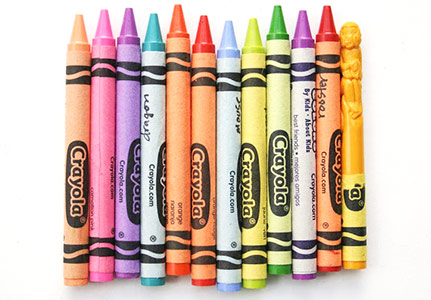
1. Crayons: A Good Starting Point for Young Children
Crayons are among the most familiar coloring tools for children. They are easy to hold, simple to use, and generally work well on ordinary printer paper.
For younger children, larger or chunky crayons can be easier to grip. Older children may prefer standard crayons because they offer more control when coloring smaller spaces.
What to look for:
- A comfortable size that is easy for children to hold
- Smooth color application without excessive pressure
- A variety of useful colors
- Age recommendations appropriate for the child
- Durable crayons that are less likely to break during everyday use
Crayons are a practical choice for home coloring, preschool activities, and classrooms where children may use supplies frequently.
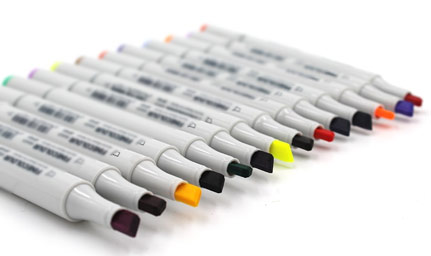
2. Washable Markers: Bright Colors and Easy Coloring
Markers are popular because they produce bright, noticeable colors with relatively little effort. They can be especially enjoyable for children who like filling larger areas with bold colors.
For younger children and shared classroom supplies, washable markers are often a convenient option. However, washable does not necessarily mean every mark will come out of every fabric or surface, so it’s still a good idea to protect tables and clothing.
What to look for:
- Washable ink for easier cleanup
- Comfortable barrels that fit small hands
- Rounded or appropriately sized tips
- Caps that fit securely
- A useful range of colors
Markers can sometimes show through thin paper, especially when children color over the same area repeatedly. If this is a concern, choose thicker paper or place a spare sheet underneath the coloring page.
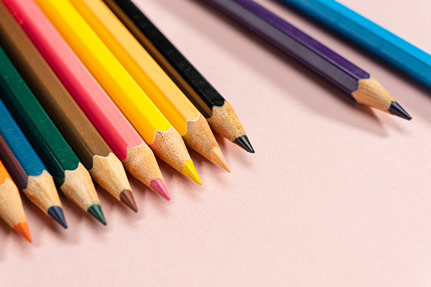
3. Colored Pencils: More Control and Detailed Coloring
Colored pencils are useful when children want more control over their coloring. They work particularly well for smaller details, patterns, and pictures with many different sections.
Unlike markers, colored pencils usually allow children to build up color gradually. They can also be used for shading and blending as children become more comfortable with different coloring techniques.
What to look for:
- Pencils that sharpen easily
- Leads that are not too fragile
- Comfortable pencil shapes
- Colors that apply smoothly
- A manageable set size for the child’s needs
Younger children may find thicker pencils easier to hold, while older children often enjoy using standard colored pencils for more detailed pictures.
A basic set of colored pencils is enough for most everyday coloring activities. Large collections are not necessary unless a child particularly enjoys experimenting with different shades.
4. Choosing the Right Paper for Coloring
Paper can make a noticeable difference in the coloring experience. A sheet that works well with crayons may not perform as well with markers or other coloring materials.
For most printable coloring pages, standard printer paper is a convenient starting point. It is affordable, widely available, and suitable for crayons and many colored pencils.
If children frequently use markers, thicker paper may be a better choice because it can help reduce show-through and provide a sturdier surface.
Consider these general differences:
| Paper type | Works well for | Things to consider |
|---|---|---|
| Standard printer paper | Crayons and colored pencils | Affordable and convenient |
| Heavier paper | Markers and more detailed coloring | Usually feels sturdier |
| Smooth paper | Colored pencils and fine details | Coloring feel depends on the paper surface |
| Textured paper | Some pencil and crayon techniques | May produce a different finish |
Paper weight and texture both matter. If you are unsure which paper to choose, start with the paper you already use for everyday printing and see how your child’s coloring supplies perform.
For more detailed advice, see our guide to choosing paper for printable coloring pages.
5. Other Useful Coloring Supplies
A few additional items can make coloring activities easier to organize and enjoy.
Pencil sharpeners: Useful for keeping colored pencils ready to use. Choose a suitable design and supervise younger children when sharpening.
Erasers: Helpful for light pencil marks, although they may not remove every mark completely.
Storage boxes or pencil cases: Keep crayons, markers, and colored pencils organized. This is particularly useful for classrooms and families with several children.
Protective table covers: A washable table covering or a few sheets of scrap paper can help protect work surfaces during coloring activities.
You do not need to buy everything at once. Start with the supplies your child uses most often and add other items when they become useful.
6. How to Choose Coloring Supplies for Different Ages
Children’s preferences and abilities change as they grow, so the best supplies depend partly on their age and how they like to color.
Younger children
Simple, easy-to-hold supplies are usually the most practical. Larger crayons and age-appropriate coloring tools can make it easier for little hands to participate. Always check age recommendations and supervise children who may put small items in their mouths.
Preschool and early elementary children
This is a good stage for trying different coloring tools. Crayons, washable markers, and colored pencils can all be useful, depending on the child’s interests and coordination.
Older children
Children who enjoy more detailed pictures may appreciate colored pencils, finer marker tips, and a wider range of colors. They may also enjoy experimenting with shading, patterns, and combining different coloring techniques.
These are general suggestions rather than strict age rules. Children’s interests, comfort, and experience vary, so let them try different materials when appropriate.
7. Tips for Parents and Teachers
A little preparation can make coloring activities more enjoyable and less stressful.
- Keep a few basic supplies within easy reach rather than offering too many choices at once.
- Choose coloring pages with a level of detail that suits the child’s interests and abilities.
- Use washable supplies when cleanup is a priority.
- Protect tables and clothing when using markers.
- Store small supplies safely and follow product age recommendations.
- Let children experiment with colors instead of expecting every picture to stay within the lines.
For teachers, organizing supplies into separate containers can make classroom activities easier to manage. For families, a small coloring box with crayons, colored pencils, markers, and printed pages is often all that is needed.
8. Do You Need Expensive Coloring Supplies?
Not necessarily. Children can enjoy coloring with simple, affordable materials. A basic set of crayons or colored pencils and ordinary printer paper can provide plenty of opportunities for creativity.
More specialized supplies may be useful for children who color frequently or want to explore different techniques, but expensive materials do not automatically make the activity more enjoyable.
The best choice is usually a balance of comfort, quality, safety, and price.
A Note for Adult Coloring Enthusiasts
Adults who enjoy coloring may prefer finer colored pencils, larger color collections, or specialty paper for shading and blending. While these materials can offer more creative possibilities, the same basic principle applies: choose supplies that suit the way you like to color rather than buying more than you need.
Enjoy More Coloring Time
The right coloring supplies don’t have to be complicated. A few comfortable, reliable tools and suitable paper can make coloring easier for children at home and in the classroom.
Once you have the basics ready, browse our free printable coloring pages and find pictures that children will enjoy bringing to life with their favorite colors.